
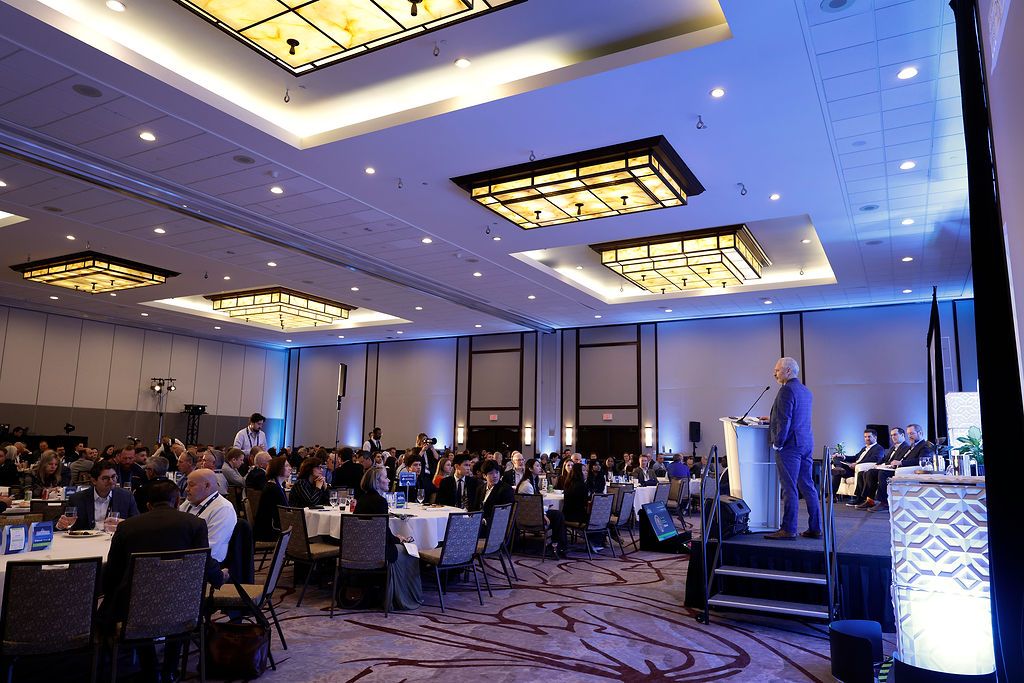
We welcomed more than 400 attendees, including industry leaders, policymakers and experts, to Ottawa from October 28 to 30 for Canadian Waterpower Week 2026. Under the theme Harnessing Opportunity: Hydropower’s Next Generation, we came together to examine how Canada can advance major hydropower development, sustain existing facilities and prepare for growing electricity needs.
Over three days, our discussions ranged from regulatory reform and project financing to Indigenous partnerships, workforce development and technologies changing hydropower operations. Our welcome reception overlooking Generating Station No. 2, Canada’s oldest operating hydroelectric station, provided a fitting setting to begin conversations about the sector’s future.
Setting the Stage for Action
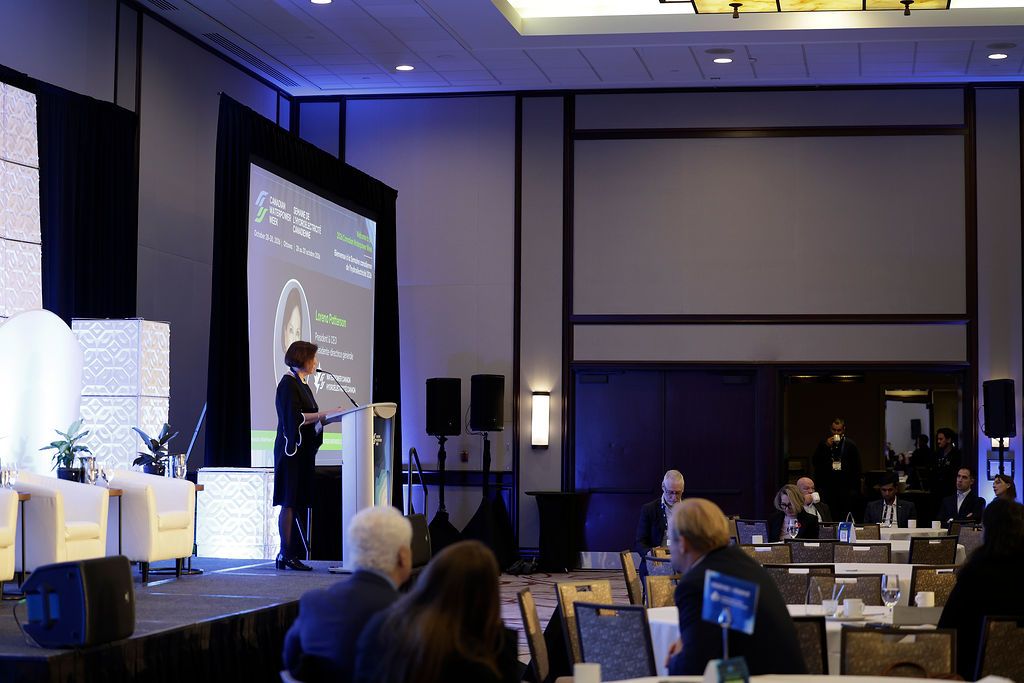
In her opening remarks, our President and CEO, Lorena Patterson, described renewed momentum behind hydropower development and the coordination required to deliver major projects. She emphasized the demands that growth will place on supply chains, workforce capacity, regulatory processes and capital investment.
“Hydropower’s next generation will be shaped by the people who design, build, operate and maintain the projects and technologies of the future,” Patterson said.
She also highlighted the opportunity for students, apprentices and emerging professionals entering our sector today to spend their careers helping shape Canada’s electricity future. Our opening plenary, Hydropower and Canada’s Strategic Advantage, examined the policy and regulatory conditions needed to support development. Moderated by Heather Bakken of Pendulum Group, it featured Drew Leyburne of Natural Resources Canada and Terence Hubbard, President of the Impact Assessment Agency of Canada.
The discussion connected hydropower’s contribution to energy security and economic competitiveness with the investment, permitting and coordination needed to advance projects.
Building Canada’s Next Generation of Hydropower
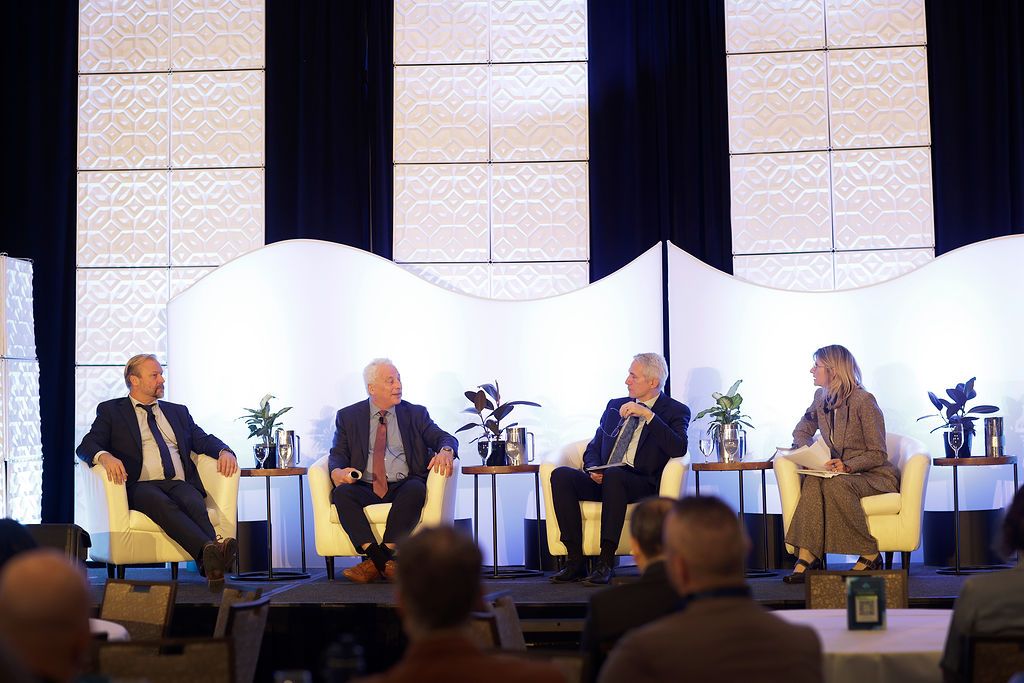
Our final-day major projects plenary, moderated by Patterson, featured Michael Ladha of Newfoundland and Labrador Hydro, Laurent Bulota of Hydro-Québec, Lindsay Melvin of Manitoba Hydro and Matt Sikstrom of Ontario Power Generation. The panel examined project economics, financing, Indigenous partnerships and regulatory approvals. We heard utility perspectives on the opportunities and challenges involved in moving Canada’s next generation of major hydropower projects from planning to development.
Questions for the panellists extended beyond individual project proposals to how community acceptance and Indigenous engagement inform resource planning, how refurbishment fits into expansion plans, and the advantages pumped storage can bring to the grid. The discussion also considered how the costs of expanding electricity supply are managed across jurisdictions.
Celebrating Excellence: The WPC WaveMaker Awards
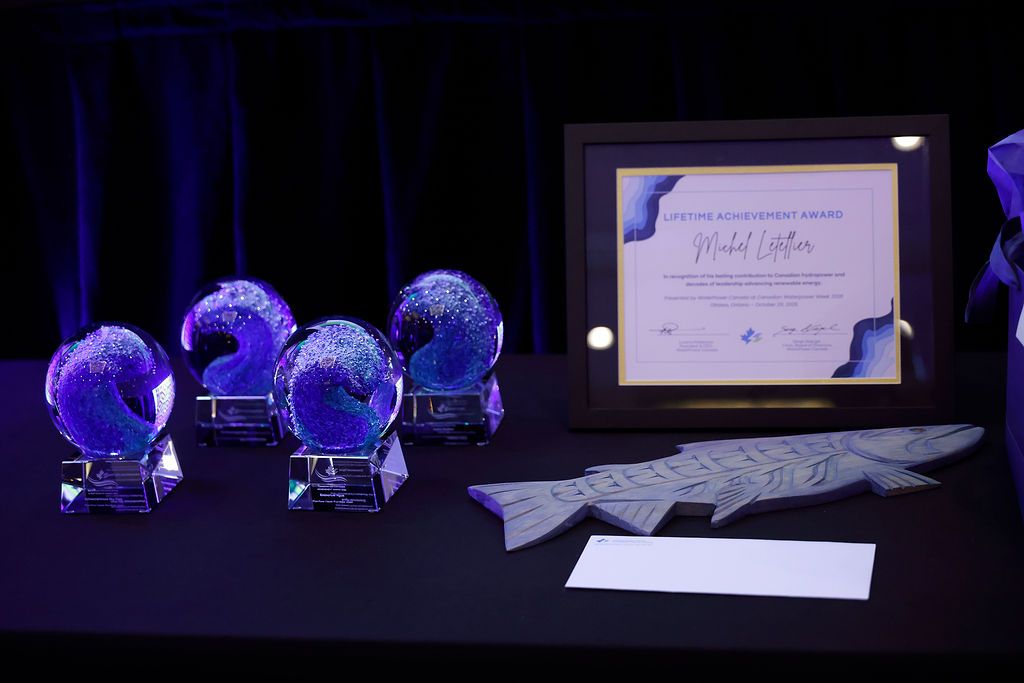
At Thursday evening’s Awards Dinner, presented by GE Vernova, we celebrated outstanding achievements across our sector through the 2026 WPC WaveMaker Awards:
- Hydropower Innovation Excellence Award went to Hydro-Québec for its PRISM project, which advances underwater inspection technologies to improve worker safety and strengthen the maintenance of critical hydropower infrastructure. The project addresses practical operational challenges while supporting the reliability and longevity of Québec’s hydropower assets.
- Canadian Waterpower Achievement Award honoured Emmanuel Ngue, President and CEO of EN Solutions Hydro, for his leadership in advancing AI-powered operations and predictive maintenance. His team’s work helps operators improve efficiency, reduce costs, extend equipment life and prevent unplanned outages, connecting emerging technologies with the everyday demands of operating reliable facilities.
- Community Impact Award recognized Développement PEK for advancing the Pekuakamiulnuatsh First Nation’s vision for responsible, community-driven hydropower development. Through partnerships with Indigenous and municipal communities, its work supports financial autonomy, local economic development and lasting community benefits, while also supporting Indigenous language and culture.
- Indigenous Reconciliation & Partnership Award celebrated Kahsennénhawe Sky-Deer for her leadership in securing a partnership between Kahnawà:ke and Hydro-Québec on the Hertel-New York interconnection project. The community’s direct stake reflects its priorities and interests. Her recognition highlighted what early, meaningful partnerships built on respect, collaboration and shared benefits can achieve.
A Legacy of Leadership
We were honoured to present the Lifetime Achievement Award to Michel Letellier, former President and CEO of Innergex, recognizing his contributions to renewable energy development, private investment and meaningful partnerships with Indigenous communities.
Under his leadership, Innergex demonstrated the role independent power producers can play in expanding renewable electricity supply while creating long-term benefits for communities. His work helped bring new hydropower projects to life and strengthened relationships across our sector. The award celebrated a career whose influence extends beyond individual developments, through the investment and partnerships that have supported the growth of Canadian hydropower.
We also celebrated Terry Oswell, recipient of the 2026 Woman of Hydropower Award, presented in partnership with Women in Renewable Energy (WiRE). Congratulations to all recipients this year!
The Next Generation Takes the Stage
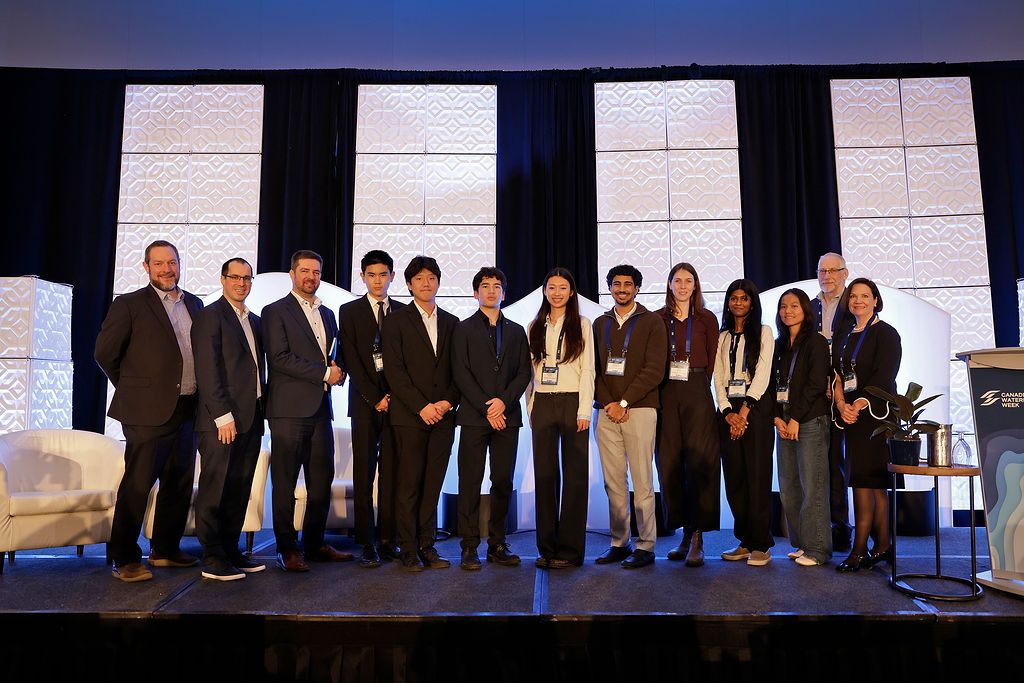
Our 2026 WPC Dragons’ Dam competition, presented by Kiewit and Ganotec, featured three student finalist teams pitching solutions to hydropower challenges, with $10,000 in total prize money across the finalists. Team Streamline from the University of Toronto, comprising Ella Walsh, Dheekshitha Palanikumar, Abanoub Bashara and Serena Zhang, took first place. Astrid Gultom of Team Lockedin from the University of British Columbia placed second, followed by Team I Eat Trees from the University of Waterloo, comprising Dexter Maccall, Matt Fan and Terry Hou, in third.
Our finalists presented their proposals to industry judges Charles Lavigne of Ganotec, Vincent Mercier of Kiewit and Daniel Granger of GE Vernova. We announced the results at the Awards Dinner. From rethinking existing infrastructure to proposing approaches to energy generation and storage, the teams brought ambitious ideas and fresh perspectives to the competition. Thank you to our finalists, Dragons, Kiewit and Ganotec, for helping us support the next generation of hydropower innovators.
Key Themes That Emerged
Across the plenaries, technical sessions and project case studies, several themes connected our discussions:
- Hydropower’s flexibility and system value: As wind and solar generation grow, what we ask of hydropower facilities is changing. Our pre-conference workshop, organized by the International Renewable Energy Agency (IRENA) in cooperation with Natural Resources Canada (NRCan), focused on what that means for operators and the upgrades and investment needed. In our afternoon plenary, sponsored by AECOM, we heard perspectives on transmission, reliability and electricity markets from the North American Electric Reliability Corporation, the Independent Electricity System Operator and the Alberta Electric System Operator.
- Indigenous partnerships and community participation: The Taltson Hydro Expansion Project provided a perspective on Indigenous partnership in project development. Other presentations focused on working together in environmental monitoring, including how scientific methods and Indigenous knowledge can inform one another. These conversations also considered the practical work behind collaboration: making resources available, building capacity and allowing time for trust to develop.
- Investing in the existing fleet: Keeping our facilities operating reliably takes continued investment and technical expertise. Delegates heard about turbine rehabilitation, equipment monitoring and the redevelopment of Kakabeka Falls Generating Station. EN Solutions Hydro and HydroForecast also shared how AI and advanced forecasting can help operators anticipate equipment problems and changing water conditions.
- Preparing the workforce: Workforce planning needs to begin well before construction. Sessions considered how early engagement with contractors, unions and Indigenous partners can inform procurement and contracts, helping manage costs and schedule risks. Building the workforce for future projects will also require sustained attention as development advances.

Connecting Across the Sector
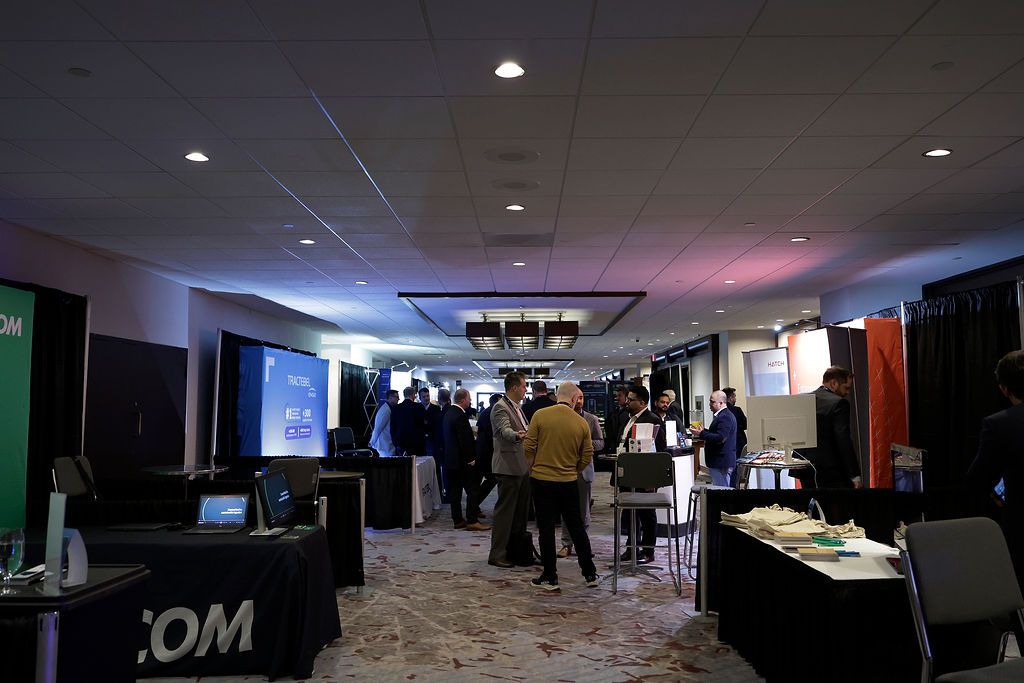
Our trade show, sponsored by Barnard, Hatch and Tractebel, gave delegates opportunities to connect with exhibitors, learn about equipment and services, and continue discussions between sessions.
Looking Ahead
Our closing plenary, presented by EN Solutions, brought Patterson together with George Christidis of the Canadian Nuclear Association, Josée Guibord of Electricity Canada and Michelle Branigan of Electricity Human Resources Canada. The discussion examined federal efforts to accelerate major infrastructure projects, including their implications for development timelines and investment, alongside workforce needs and priorities ahead of Budget 2026. Our priorities include longer-term investment tax credit eligibility, infrastructure financing and support for Indigenous equity participation.
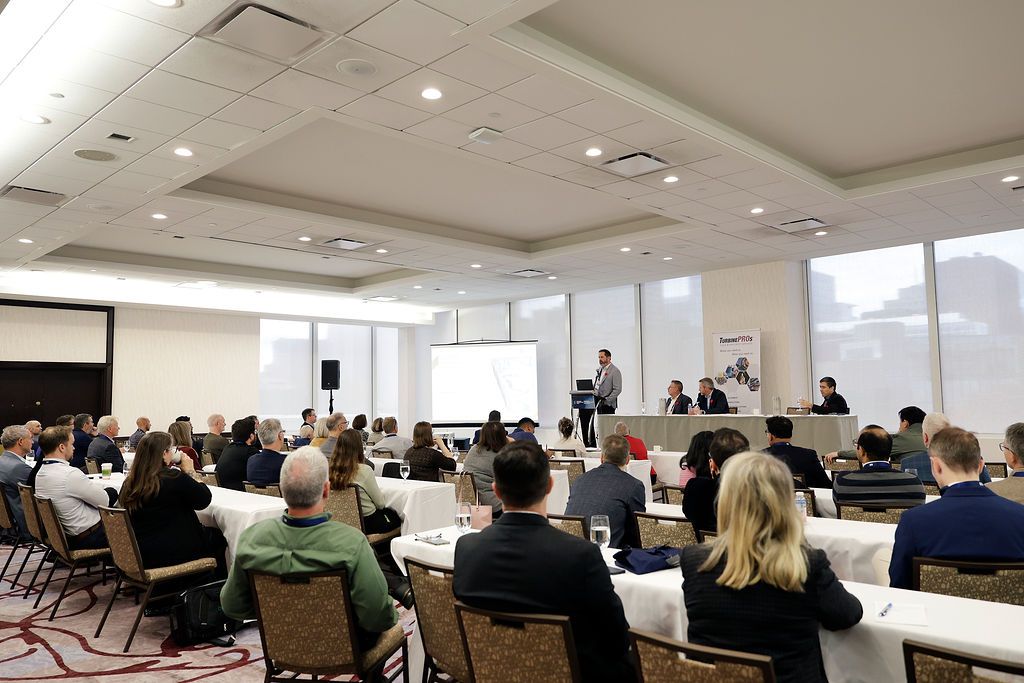
Canadian Waterpower Week 2026 underscored the opportunity to build on Canada’s largest electricity source and the sustained effort needed to realize it. The conversations we began in Ottawa continue across the organizations and communities working to shape our electricity future.
Thank you to our speakers, delegates, sponsors, exhibitors and partners for contributing to three days of discussion and connection. We look forward to continuing our work with governments, Indigenous partners and industry to ensure Canadians benefit from hydropower’s unique strengths: clean, renewable, reliable and affordable electricity.